I was driving through the industrial belt of Bhandara a few weeks back, and it’s impossible to ignore the sheer scale of the rice processing happening there. But as I walked through an older facility, I noticed the same old headache: a forest of heavy steel pillars every few meters. The owner was frustrated, watching his forklift drivers play a high-stakes game of Tetris just to move bags around. "I lose 20% of my floor space just to these columns," he told me. "And it’s dark as a cave in here."
That’s a conversation we’re having more often at FV INFRA LLP. Whether it’s in Nagpur, Gondia, or Bhandara, the demand for rice mill roofing Bhandara owners can actually work in is shifting. People are moving away from those heavy, cramped metal sheds toward pillar-less storage shed designs that actually breathe.
More Room for Rice, Less Room for Error
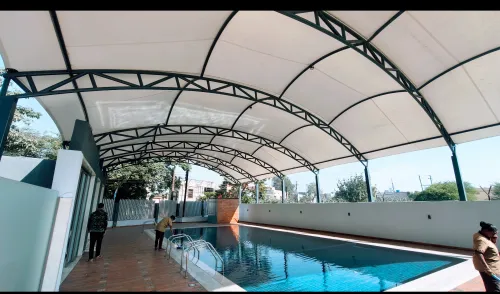
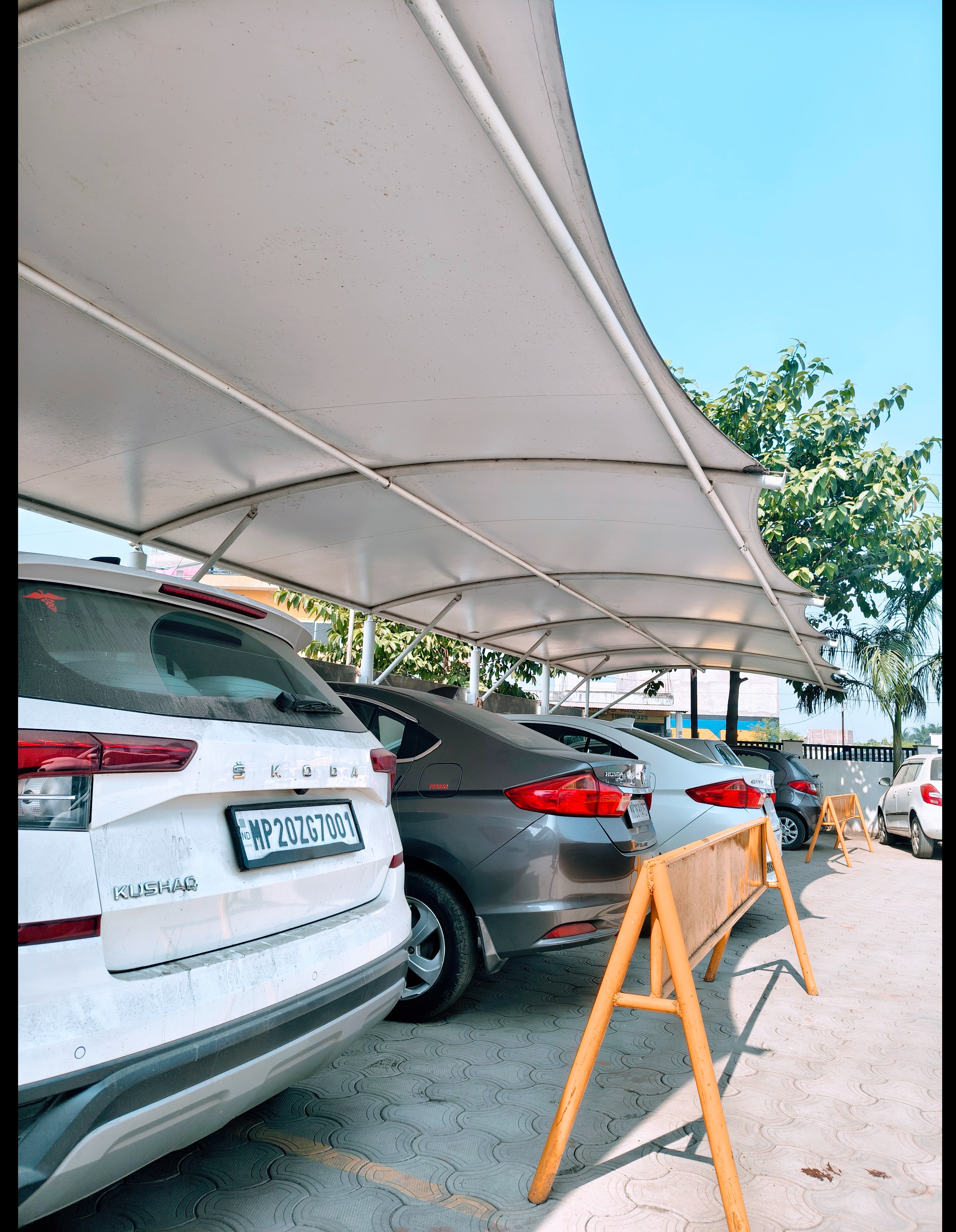
The beauty of an industrial tensile Maharashtra setup is the "clear-span." Because the fabric is under constant tension over a perimeter frame, you don't need those middle supports. You get a massive, open floor.
For a rice mill, this is a game-changer. You can stack higher, move faster, and you don’t have to worry about a driver accidentally clipping a structural post. But it’s not just about space—it’s about the environment inside.
The Heat Factor: Traditional tin sheds in Central India turn into ovens by noon. Our tensile membranes reflect a huge chunk of solar heat. It stays noticeably cooler underneath, which is better for the grain and, honestly, a lot more humane for the people working there.
Natural Light: You don’t need to keep the lights on all day. The fabric lets in a soft, diffused glow that fills the whole space. It saves on the electricity bill, and it just makes the workspace feel less like a dungeon.
"Smart" Warehousing: Not Just a Fancy Term
We’re starting to see a push for "Connected" industrial spaces, much like the smart home trend where people want to say, "Alexa, open the pergola." While a massive grain shed is a different beast, the logic is the same. Owners in Raipur, Jabalpur, and Bilaspur are asking for integrated sensors that monitor the internal climate or lighting that adjusts itself based on the time of day.
We’ve even discussed retractable sections for loading bays—imagine a roof that senses a vehicle approaching or responds to the weather. It’s that blend of heavy-duty engineering and modern tech that really gets our team excited during the 3D designing and structural drawing phase.
A Personal Stakes in Every Joint
Installing a massive structure in places like Gadchiroli, Chandrapur, or Balaghat isn't just about bolting things together. We’ve seen the kind of monsoon winds that hit Odisha and Chhattisgarh—places like Titlagarh, Kesinga, or Ambikapur. If the tension isn't perfect, the structure won't last.
That’s why we handle the whole thing end-to-end. We’re on-site in Akola, Amravati, and Yavatmal, checking every cable. One project in Bhandara really stuck with me—we finished a clear-span install just two days before a massive storm hit. I was on the phone with the owner at midnight, and when he told me the roof didn't even flinch while the neighboring tin sheds were rattling like crazy... well, that’s what lets us sleep at night.
From Bhilai and Durg to the smaller hubs like Rajpndgao or Kantabanji, we’re helping industrial owners rethink what a "roof" can do. It shouldn't just be a lid; it should be an asset that makes your business faster and cooler.