I was standing on a client’s penthouse terrace in Nagpur last May, right around 2 PM. If you’ve spent a summer in Vidarbha, you know that heat isn’t just a temperature; it feels like a physical weight. My client, a retired doctor who loves his morning tea outdoors, looked at his beautiful, expensive terrace and said, "I’ve spent a fortune on this view, but I can only use it for twenty minutes a day because the floor is literally melting my slippers."
That’s the reality for most of us in central India. We build these gorgeous homes, but our outdoor spaces become "no-go zones" for half the year. Usually, people default to those clunky metal sheds. Sure, they provide shade, but have you ever sat under one? They trap heat like an oven and sound like a drum set during a monsoon downpour.
At FV INFRA LLP, we’ve been trying to change that narrative across Maharashtra, MP, and Chhattisgarh. We don't just "install sheds"—we create what I like to call bioclimatic residential roofing.
Why "Tension" is a Good Thing
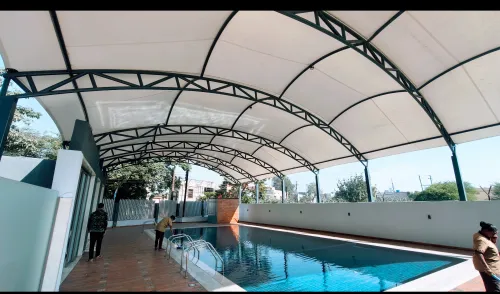
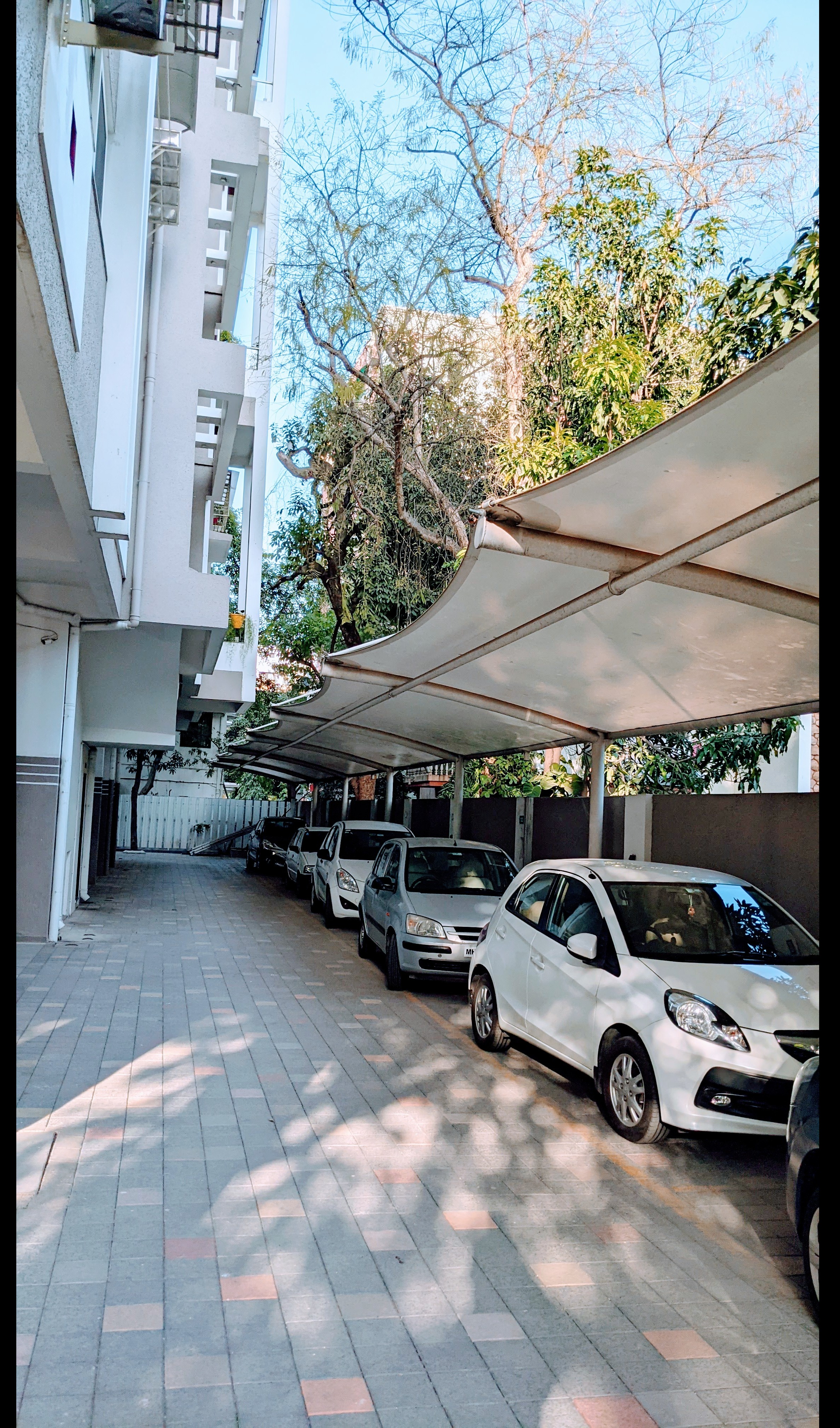
When we talk about a terrace tensile shed in Nagpur, people often think of a simple tent. But it’s much more scientific. We use high-performance membranes (like PVC or PTFE) stretched over a custom steel frame.
The magic happens in the physics. Because these structures rely on tension, we don't need those bulky middle pillars that ruin your view. You get a massive, clear-span area that feels airy and open. But the real "wow" factor? It’s the cooling. These fabrics are essentially a heat reflective terrace roof. While a metal sheet absorbs solar radiation and radiates it downward, our membranes reflect those UV rays back into the sky.
I remember a project we finished in Balaghat recently. The homeowner told me that after we installed the membrane, the temperature on his terrace dropped by nearly 8 to 10 degrees. It turned a scorched concrete slab into a "glow-in-the-dark" sanctuary where his grandkids could actually play at noon.
From Raipur to Titlagarh: A Local Journey
Building in places like Nagpur, Raipur, or even smaller towns like Gondia and Gadchiroli isn't a "one-size-fits-all" job. The wind loads during a June storm in the Vidarbha plains can be brutal. That’s why our process is a bit of a marathon. We start with a messy site visit—climbing over parapet walls and checking structural integrity—before moving to 3D designs and precision structural drawings.
We’ve seen our share of challenges. Working in congested areas of Amravati or Durg requires a level of "surgical" installation. Everything is prefabricated, so when we show up, it’s like an assembly line. No weeks of welding noise or dust; just a fast, clean transformation.
Is It Worth the Switch?
If you’re weighing your options, think about this:
Acoustics: Rain on a tensile structure sounds like a soft hum, not a heavy metal concert.
Light: You get soft, diffused sunlight. No need for artificial bulbs during the day.
Longevity: These aren't temporary fixes. We’re talking about a 15 to 30-year lifespan.
Safety: They are incredibly lightweight, which makes them much safer during tremors compared to heavy concrete slabs.
Whether we are working in Jabalpur, Bhilai, or right here in our backyard in Nagpur, our goal is the same: to stop letting the weather dictate how you live in your own home. It’s about taking that "dead" terrace space and making it the most popular room in the house.
Every time we pack up our tools in a city like Chandrapur or Bilaspur and see the family finally sitting out on their terrace with a cold drink, it reminds me why we do this. We’re not just selling fabric and steel; we’re selling the breeze.
Ready to reclaim your terrace? If you're tired of the heat in Nagpur or surrounding areas like Bhandara, Akola, or Yavatmal, let's talk.